OneAgent SDK for C/C++
You must have access to the program’s source code you wish to monitor to utilize the OneAgent SDK. The SDK allows you to instrument your application manually. The OneAgent SDK now supports remote call tracing and SQL database request tracing for C/C++ and will expand these features in the following months.
Check out our GitHub repository for an excellent place to start. The essential SDK documentation, including the hosted API documentation, can be found here.
Once you’ve compiled your application against the OneAgent SDK for C/C++, you can deploy it as usual. Your application will not be harmed by instrumentation.

Automatic detection and deep monitoring of native applications
Deploy your native application on any monitoring system. If your program was operating at the OneAgent installation, you need to restart it. OneAgent identifies that your application has been instrumented with the SDK and begins monitoring it on a request-by-request basis, much like it does with Java and Node.js.
While you must access the source code of your native application to receive the whole OneAgent experience on a monitored machine, once OneAgent is installed, you only need to restart the application to begin scanning.
Examples of programs
The samples that come with the SDK include the following native programs.
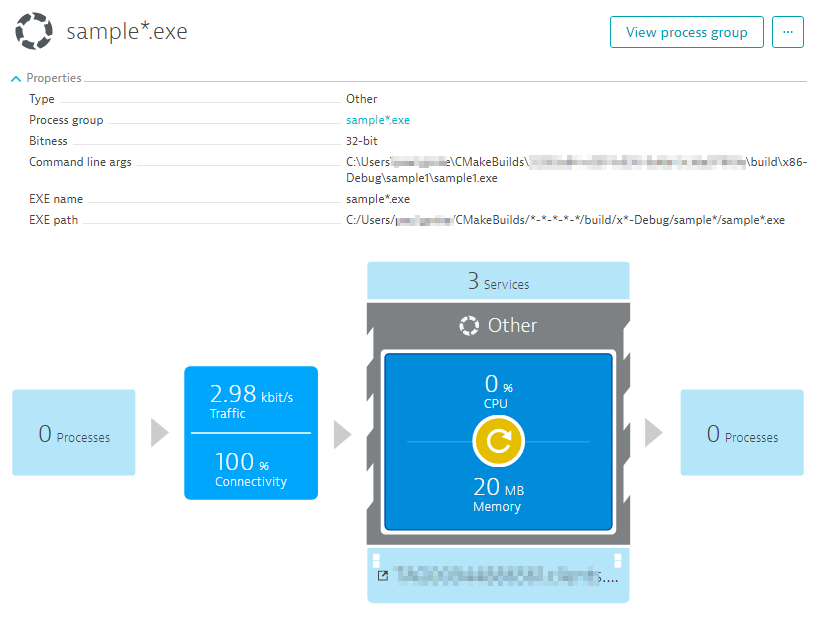
This simple example software receives a remote call, connects to another component, and connects to a database. When service on a monitored host starts, it will appear on the Transactions & services page (see example below).
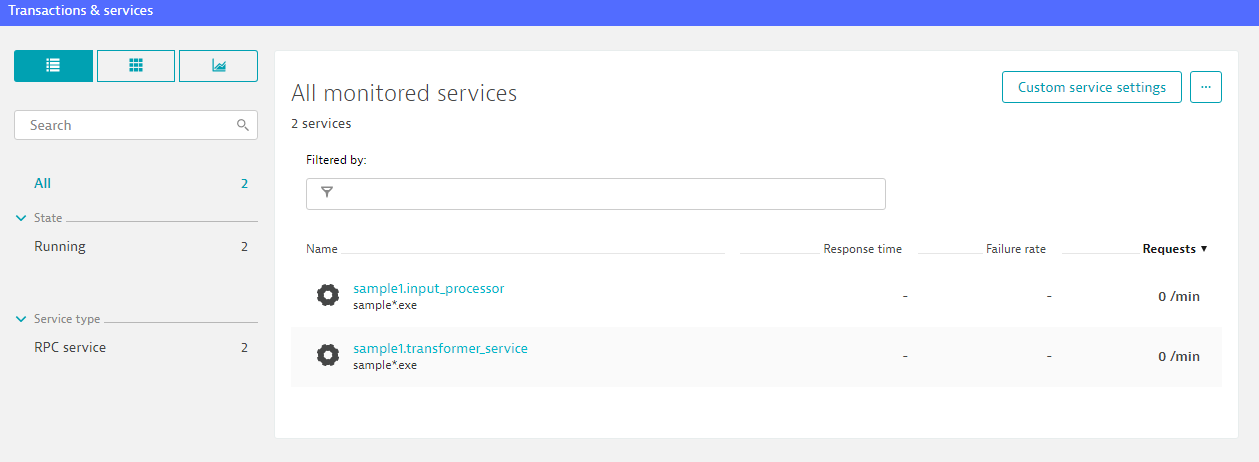
OneAgent is fully compatible with the OneAgent SDK. Remote calls that have been instrumented with the SDK are displayed as RPC service services, which function like any other service. All analysis and monitoring features, including auto-baselining and AI-based root cause analysis, are available.
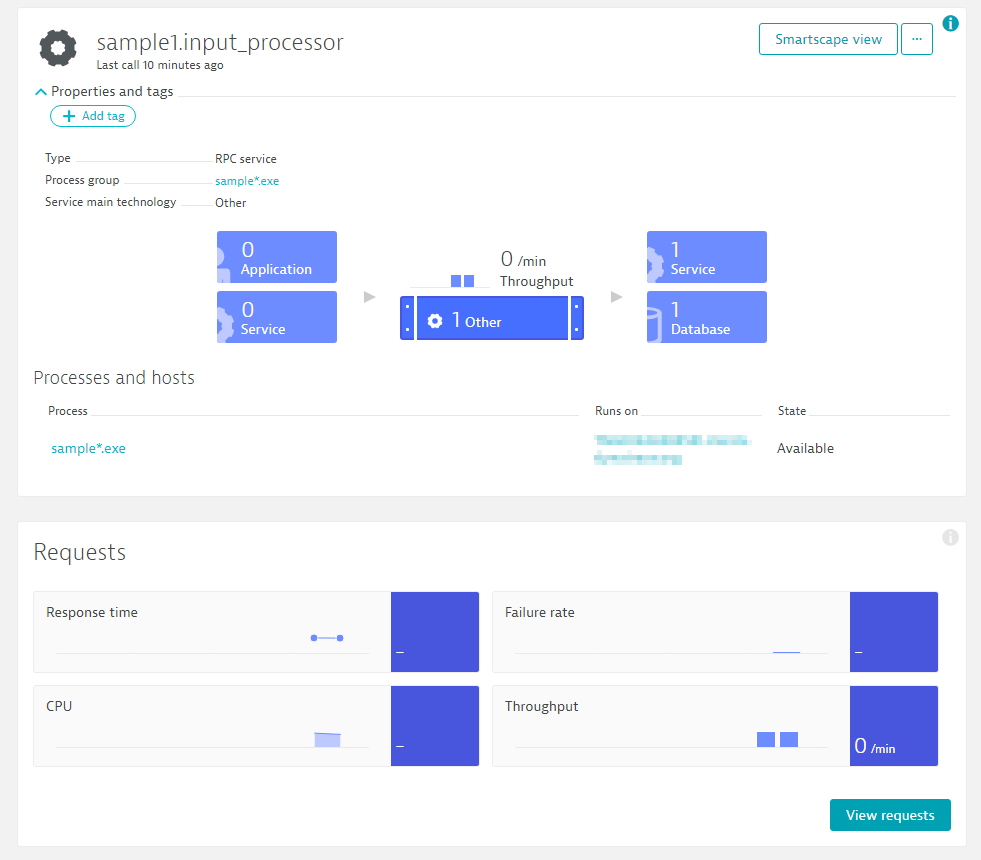
It’s worth noting that this service, as predicted, calls another service and a database. To get a sense of what’s going on, let’s look at the Service flow and Smartscape.
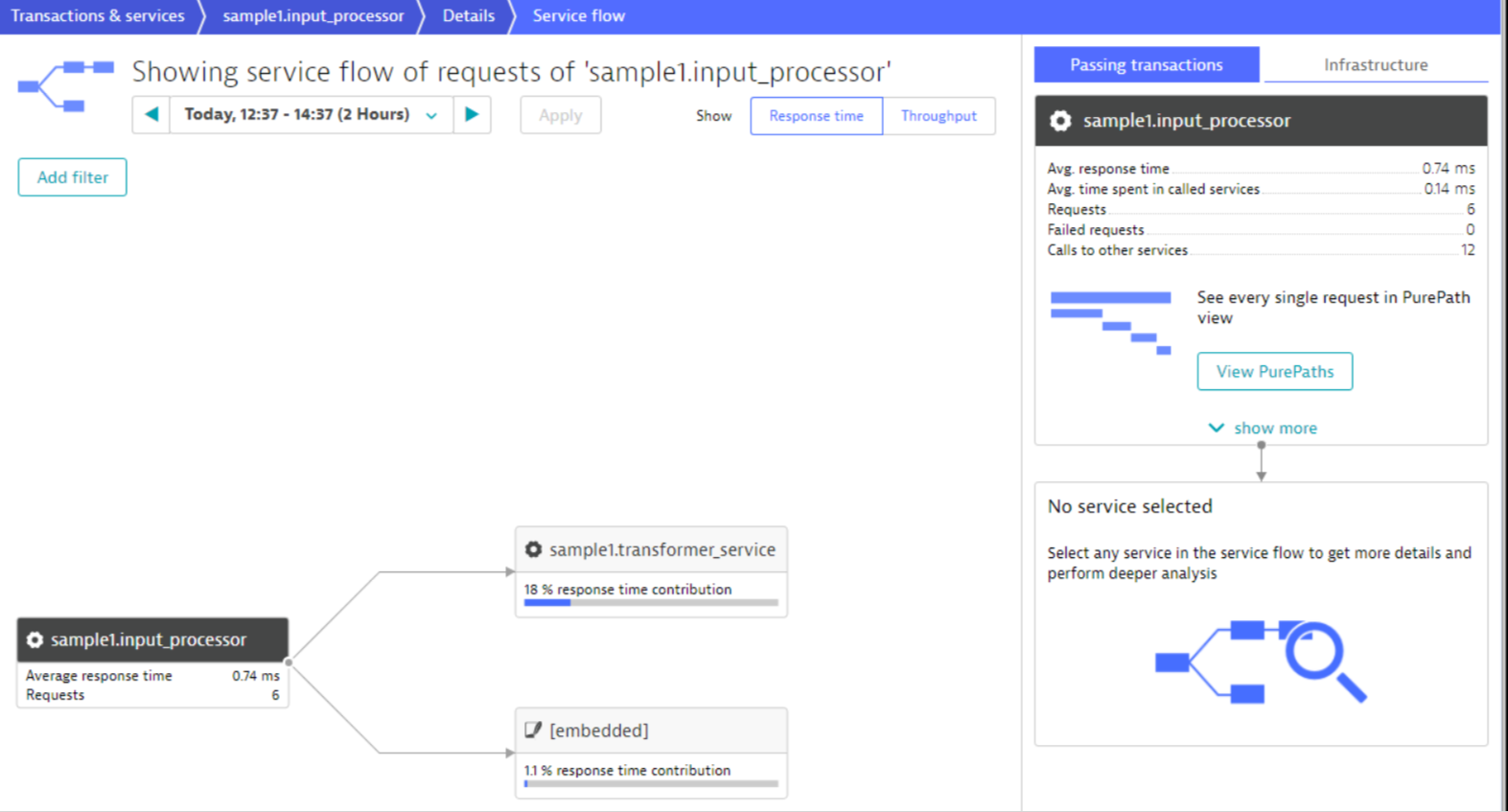
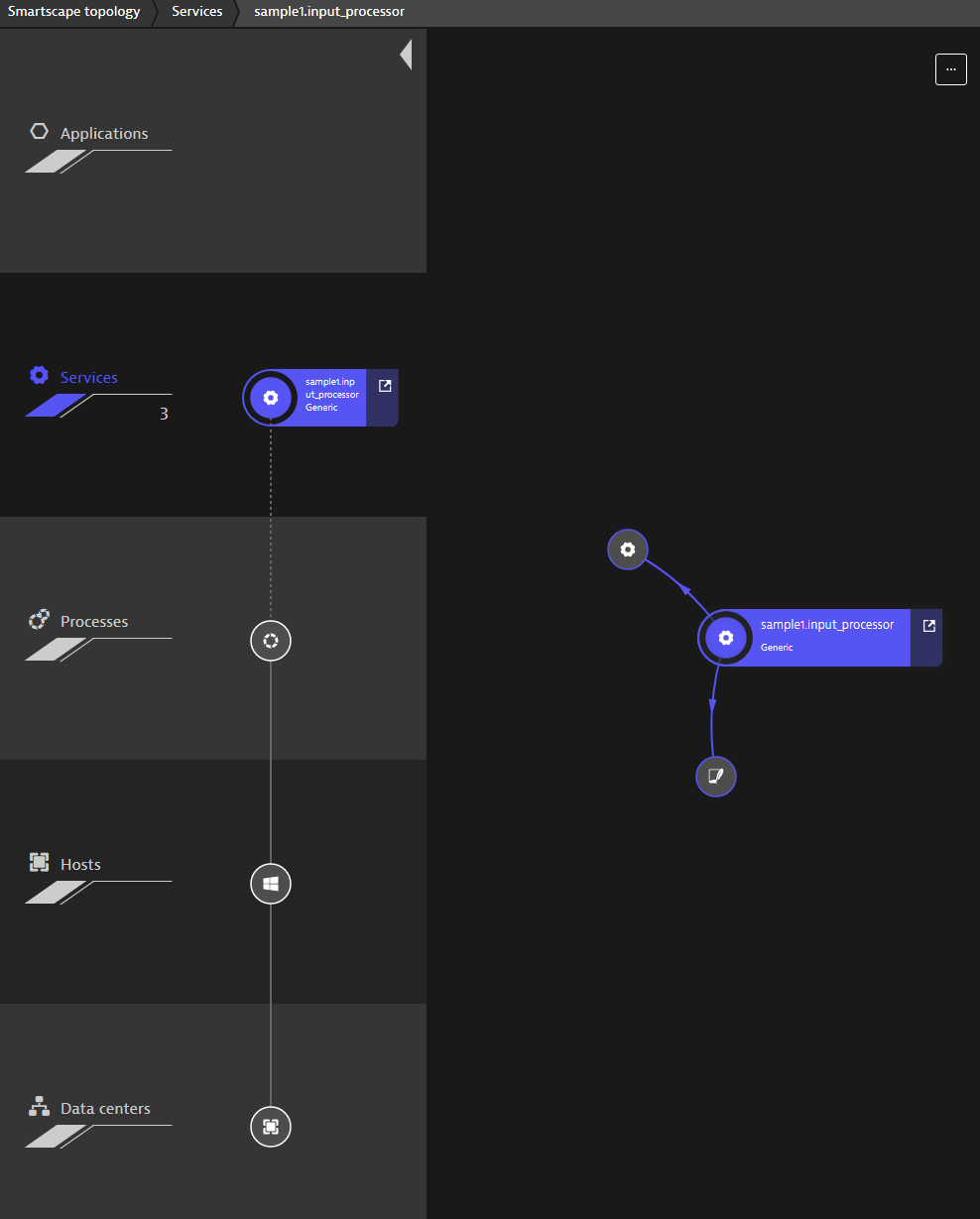
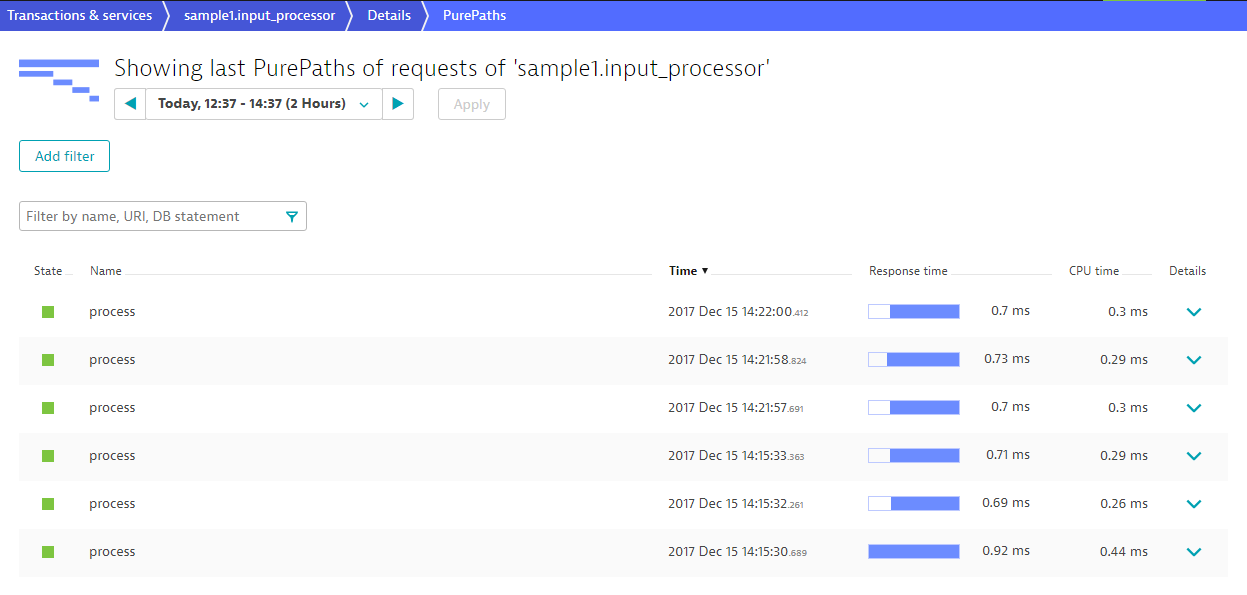
OneAgent captured six queries to the service sample1.input processor, as you can see. In the PurePaths view, we can examine the individual requests from here.
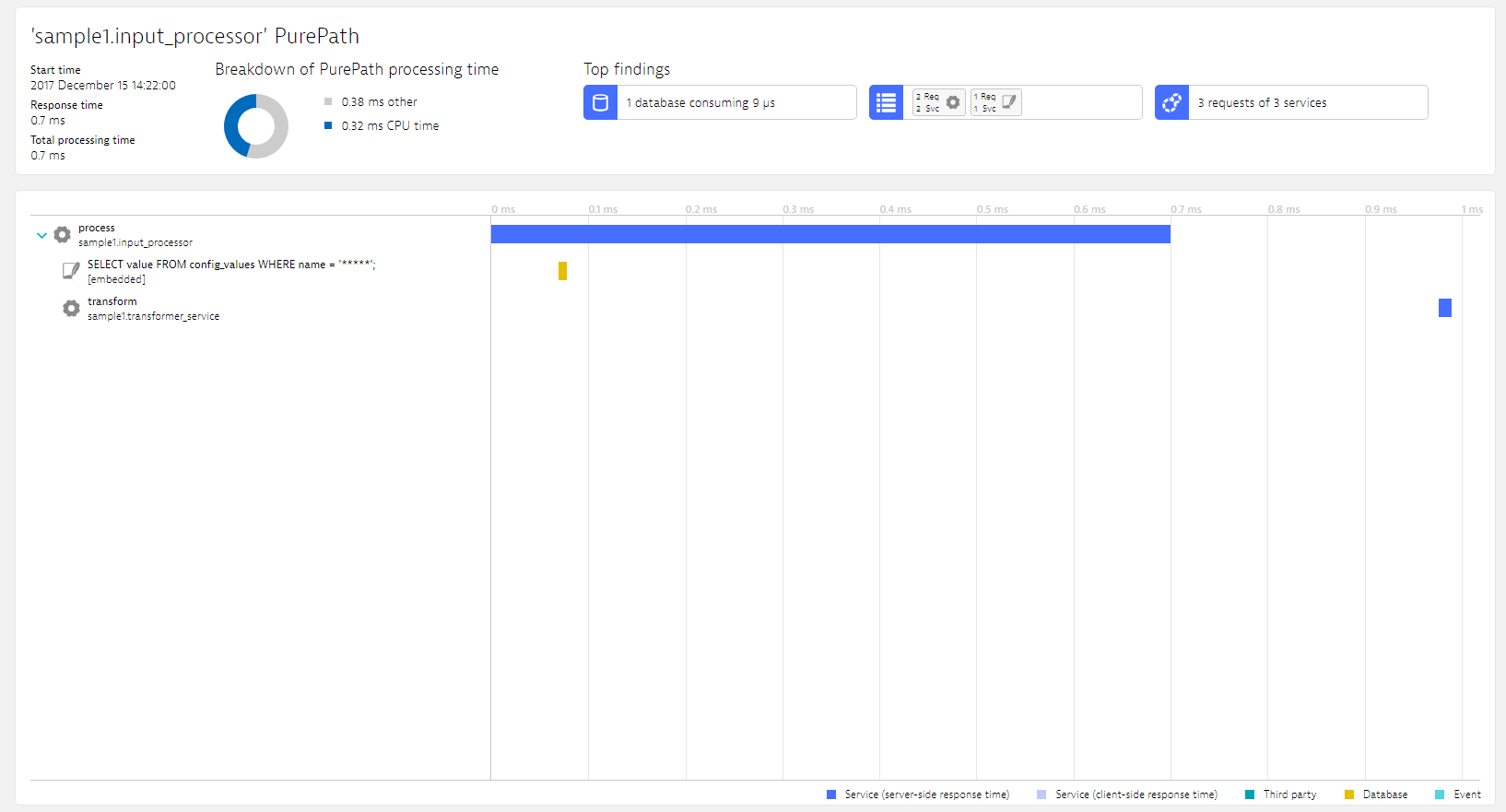
The process technique takes up most of the time. However, the transform remote method on another service is also used.
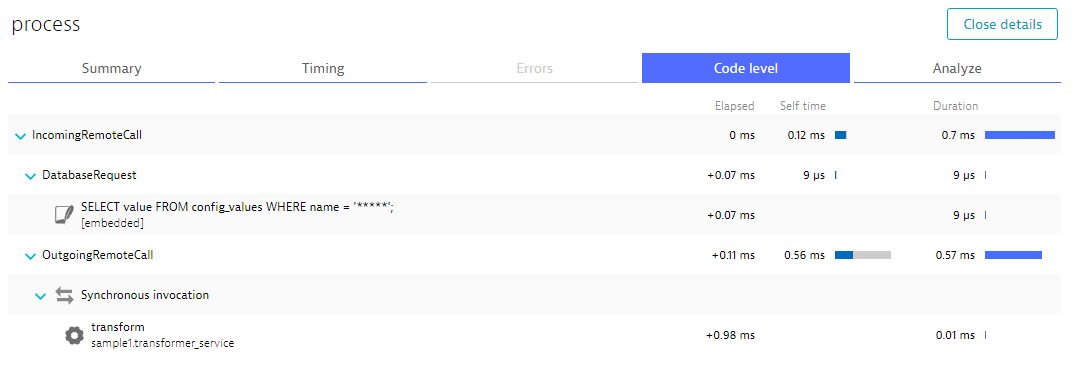
The schematic structure of the recorded PurePath and any relevant timings may be seen at the code level.
I logged in to some database calls. The newly discovered database service tracked using the SDK may be seen.
Extend AI-based root cause analysis
OneAgent SDK C/C++ delivers visibility into your C programs and throughout your whole application ecosystem. All detected services and databases are monitored at the same degree of granularity. All queries to the sample1 sample application and any SQL statements from the newly discovered database are baselined.
What about Python, Ruby, Perl, and Erlang?
Language bindings allow Python, Ruby, Perl, and Erlang to make calls to C. We don’t intend to create language bindings for all four languages, but we hope to have something for Python later this year.
We’d love to hear what you think of the OneAgent SDK for C/C++. The most straightforward approach is to use the issue tracker in our GitHub repository. You can also leave a remark on our AnswerHub roadmap topic.
About Enteros
Enteros offers a patented database performance management SaaS platform. It proactively identifies root causes of complex business-impacting database scalability and performance issues across a growing number of RDBMS, NoSQL, and machine learning database platforms.
The views expressed on this blog are those of the author and do not necessarily reflect the opinions of Enteros Inc. This blog may contain links to the content of third-party sites. By providing such links, Enteros Inc. does not adopt, guarantee, approve, or endorse the information, views, or products available on such sites.
Are you interested in writing for Enteros’ Blog? Please send us a pitch!
RELATED POSTS
Using Predictive AIOps and FinOps to Improve Healthcare Application Reliability
- 26 August 2026
- Database Performance Management
Introduction Healthcare organizations increasingly depend on digital applications to support patient care, clinical workflows, administrative operations, and data-driven decision-making. Electronic health record (EHR) systems, telehealth platforms, patient portals, diagnostic applications, insurance systems, laboratory platforms, and healthcare analytics solutions all require reliable and responsive IT infrastructure. As these applications become more connected and data-intensive, maintaining reliability … Continue reading “Using Predictive AIOps and FinOps to Improve Healthcare Application Reliability”
How to Optimize Higher Education Technology with Enteros Database Software, AIOps, and Cloud FinOps
Introduction Universities and higher education institutions are undergoing rapid digital transformation. Learning Management Systems, student portals, online examinations, digital libraries, research platforms, admissions systems, finance applications, and campus management platforms have become essential infrastructure. At the same time, higher education organizations are under pressure to manage technology budgets carefully. Read more”Indian Country” highlights Enteros and … Continue reading “How to Optimize Higher Education Technology with Enteros Database Software, AIOps, and Cloud FinOps”
How AIOps and FinOps Strengthen Digital Healthcare Infrastructure and Cost Efficiency
Introduction The healthcare industry is undergoing one of the most significant digital transformations in its history. Hospitals, healthcare providers, insurance organizations, telehealth platforms, diagnostic centers, and healthcare technology companies increasingly rely on digital systems to deliver patient care, manage medical records, process claims, support remote consultations, and analyze clinical data. As healthcare organizations embrace cloud … Continue reading “How AIOps and FinOps Strengthen Digital Healthcare Infrastructure and Cost Efficiency”
How to Optimize Real Estate Technology Operations with Enteros Database Software, AI-Powered Analytics, and Database Observability
Introduction Real estate organizations are becoming increasingly technology-driven. Property management platforms, online listings, tenant applications, leasing systems, CRM, property accounting, smart-building platforms, investment analytics, and digital marketplaces all depend on reliable databases. Real estate businesses also increasingly use AI and analytics to understand property demand, pricing, occupancy, customer behavior, and investment opportunities. Read more”Indian Country” … Continue reading “How to Optimize Real Estate Technology Operations with Enteros Database Software, AI-Powered Analytics, and Database Observability”